

Author: Clayton DeMaine
Despite new data showing that alternatives like vaping are helping thousands of Canadians quit smoking, the Liberal government is still refusing to ease its restrictions on these nicotine replacement products.
In 2024, approximately 300,000 Canadians who smoked quit, yet federal restrictions on many nicotine replacement products remain in place.
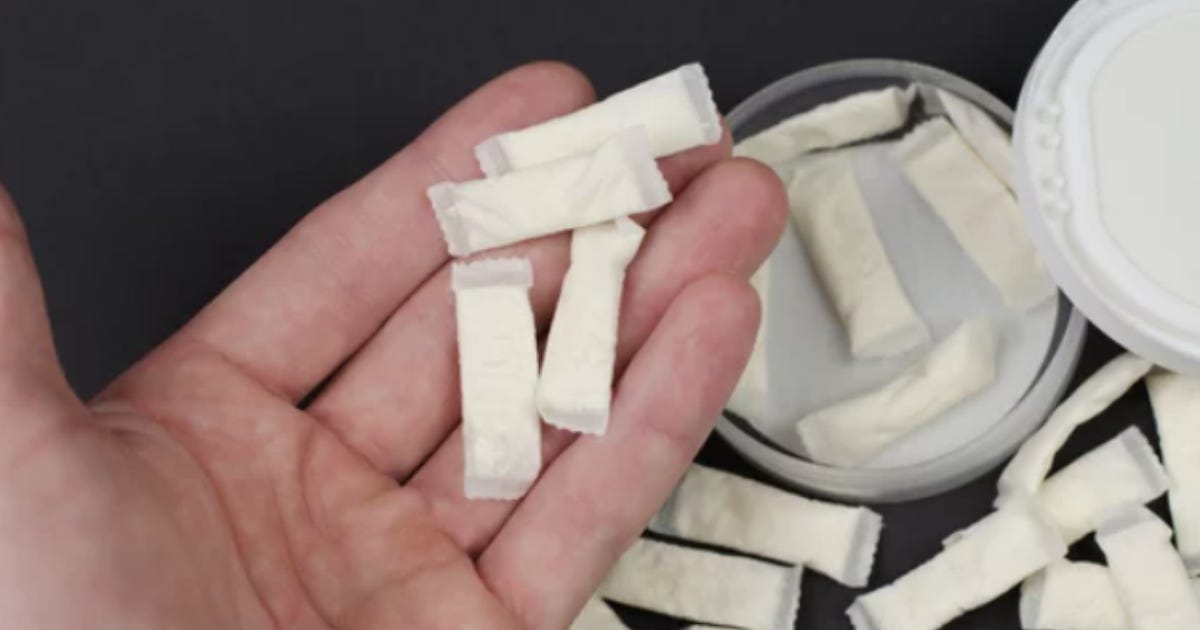
Health Canada released a report on Monday, estimating that 49 per cent of all Canadians who quit smoking cigarettes reported using either a vaping device, e-cigarette, tobacco-free nicotine pouch or other “nicotine replacement products” such as gum or patches.
The report notes that among Canadians who successfully quit smoking cigarettes in 2024, an estimated 21 per cent used vapes or e-cigarettes, 25 per cent used nicotine replacements, and three per cent used nicotine pouches. The most common method, however, was quitting “cold turkey,” with 56 per cent of Canadians quitting without help from other products or methods.

Health Canada’s goal is to reduce tobacco use to less than five per cent by 2035, noting that 46,000 Canadians die each year in Canada due to “premature and preventable tobacco-related illnesses.”
The study claims that 13 per cent of Canadians still use tobacco products, with 11 per cent reporting they still smoke combustible cigarettes. Overall tobacco use decreased by more than 55 per cent from the 29 per cent who reported using tobacco products in 2021.
The study stated that approximately 300,000 Canadians who smoked in 2023 quit in 2024, meaning 63,000 Canadians successfully quit smoking while using a vape product or e-cigarette.
The Consumer’s Choice Centre, an independent pro-freedom consumer advocacy group, is applauding the news and urging Canada to seize the moment and drop regulations that make these products less accessible to Canadians.
“Health Canada’s report is definitive proof that vaping is an incredibly useful tool for Canadians who are trying to quit smoking for good,” David Clement, the group’s North American affairs manager, said in a statement. “Prior to legal vaping Health Canada estimated that Canada could reduce it’s smoking rate to 8.1% by 2035, but that with legal vaping the 2035 target is now 5.1%. This is a huge win.”
Clement told Juno News in an email that multiple public health bodies in Canada and England now say vaping is 95 per cent less harmful than smoking, and the main concern about youth use is assuaged by the 50 per cent drop in youth use since 2019.
“The government of Canada should focus their efforts on making these useful quitting tools (vapes, nicotine pouches, and Heat-Not-Burn) more accessible for smokers trying to quit,” Clement said. “Nicotine pouches, for example, are less accessible than cigarettes because of the pharmacy rule restricting sales.”

He noted that vaping products still face regulations and taxes placed on cigarettes despite posing less of a risk.
“While nicotine pouches are now recognized as cessation tools, Heat-Not-Burn products occupy an uncertain space in Canada’s tobacco policy landscape. These products, which heat tobacco rather than burning it, eliminate combustion—the primary source of the most harmful chemicals in cigarette smoke,” he said. “Tax changes and increased, age-gated, retail access would best align Canada’s approach with the research available.”
He noted that countries such as Japan and Sweden have seen “dramatic declines” in cigarette sales after the introduction of vaping and nicotine pouches.
The Health Canada website stated, “While the negative long-term health effects of smoking are clear, research on vaping is still growing.”
“Health Canada monitors market trends and conducts laboratory testing on vaping products,” the report said. “The department has developed a baseline of over 1,500 unique chemicals found in vaping products and liquids.”
As reported on Juno News, illicit tobacco experts have also urged the federal government to lift its blanket bans on tobacco products, saying the regulations and taxes push Canadians to purchase contraband products, which often have fewer health standards and often help fund organized crime.
The Tobacco industry is still paying off politicians and scientists. No wonder that the peoples trust is gone.
Health Canada is finally starting to catch up to what vapers have known for years. Other countries have said it was 95% safer for over ten years now. Many peer-reviewed studies have been done, Bad stories about vaping get front page while studies showing the benefits and harm reduction are lucky if they get a one-liner in the press. They've even gone as far as connecting
For example, in 2019, there was a huge story going around about vapers being hospitalized with major breathing issues, in some cases leading to death. That went viral, but the news that it was actually being caused by black-market marijuana vapes having MCT oil added to them for thickening. Of course, the media didn't bother putting that news out.
There are many more examples.